Consultant Needed
The Bush Foundation is “looking for consultants on an “as needed” basis for 2026 to conduct due diligence for potential grants.

The Bush Foundation is “looking for consultants on an “as needed” basis for 2026 to conduct due diligence for potential grants.
Development Consultant for Monarch Justice Center of Napa County
There are issues between the “National” group and certain chapters over not meeting chapter bylaw requirements, like filling officer positions.National must decide how to address this, potentially suspending chapters. Historically, there have been problems within chapters, including board factions and misconduct.
The chapters are across the US, with National based in California. A mediator with a national perspective, preferably from the west, would be ideal. Please get in touch with Dan Hershey by email to respond to this request.
Think of grant writing not as a transaction, but as creating sacred space—a place where your mission and a funder’s values can meet, connect, and grow together.
Grant writing isn’t just about crafting compelling proposals. It’s about building relationships in the sacred space between need and generosity. The organizations that win funding understand one truth: stewardship matters more than sales pitches.
Too many nonprofits approach grant writing like a one-night stand. Write proposal. Submit. Hope. Repeat. This approach treats the sacred space of partnership as disposable—and it kills long-term funding potential.
Stewardship is tending the sacred space between your organization and funders. It’s ongoing trust that grows through:
 Filing required reports isn’t stewardship—it’s professionalism. Real stewardship creates funding opportunities before you ask by nurturing the relationship space.
Most organizations inflate their capabilities and promise outcomes they can’t deliver. They think bigger claims mean bigger checks. This pollutes the sacred space of trust, and experienced funders spot unrealistic proposals quickly.
The organizations that win grants tell realistic stories, acknowledge limitations, and show understanding of actual capacity. They keep the sacred space clean and honest.
Funders want confidence. Confidence comes from believable proposals that honor the sacred space of partnership:
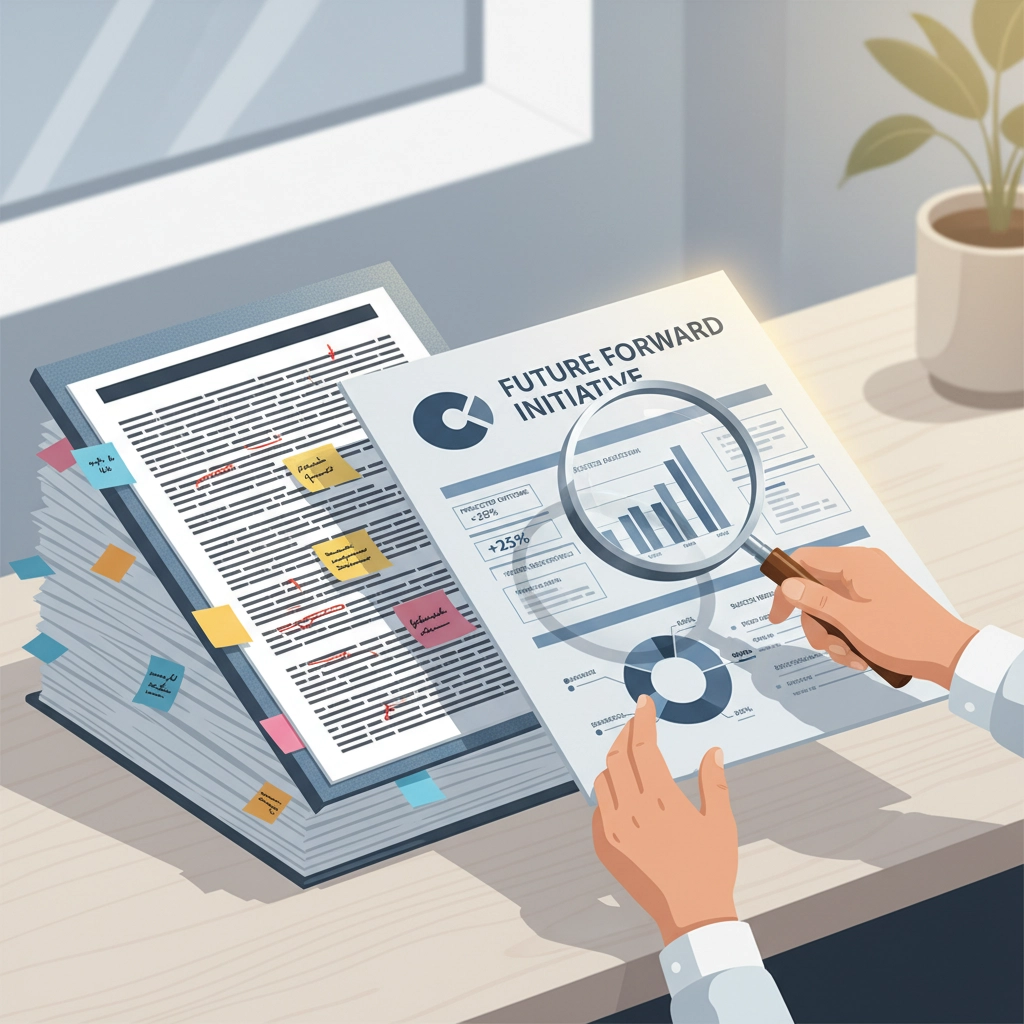
Organizations practicing stewardship build sustainable funding pipelines. Funders become advocates and refer you to others because they’ve experienced the sacred space you create.
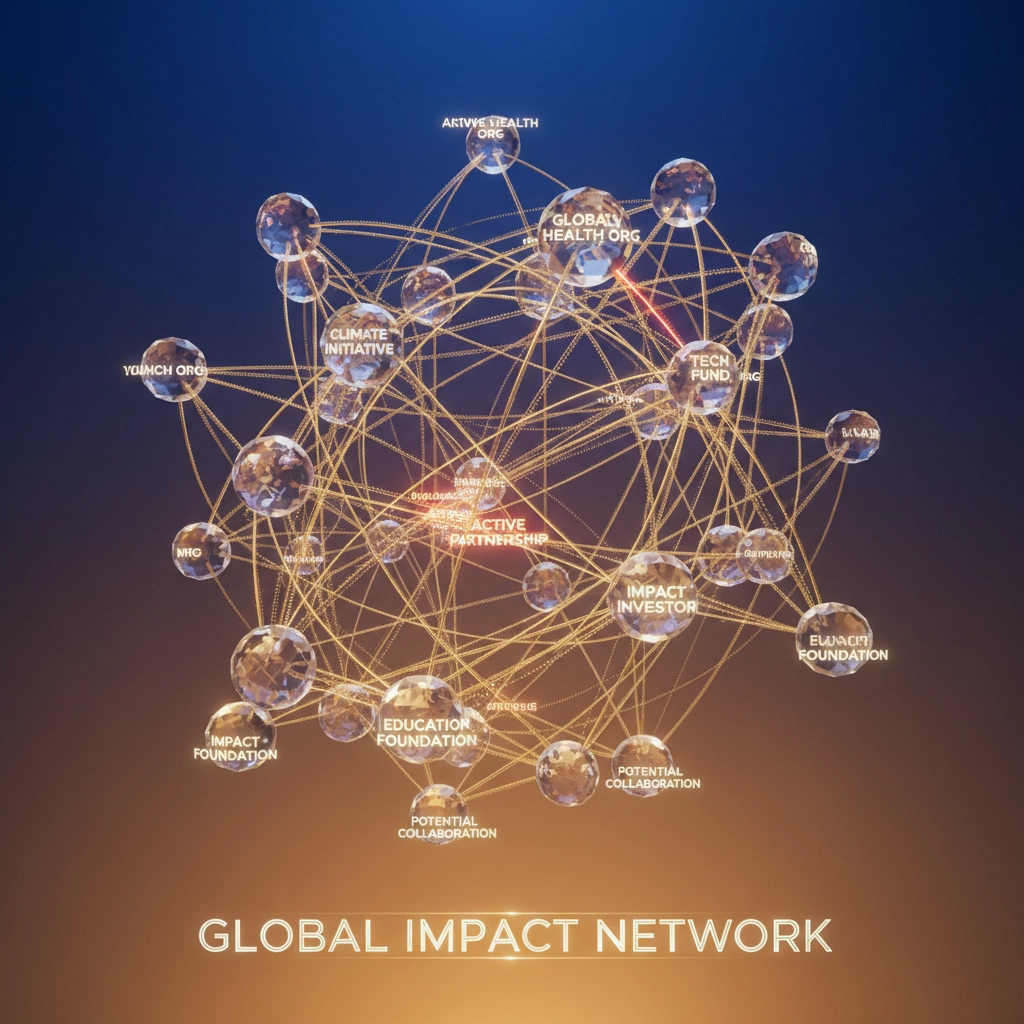 Results include:
Start before you need funding. Create funder profiles. Send quarterly updates. Invite site visits. Acknowledge funder expertise. Treat every interaction as an opportunity to tend the sacred space between you.
The ROI of Sacred Relationships: Strong stewardship yields more funding and renewals, with less effort spent writing new proposals. When you create sacred space, funding flows more naturally.
Great grant writing means building partnerships for lasting impact in the sacred space where missions meet resources. Be honest, build trust, improve communication—your future funding depends on keeping this space sacred.
This post is grounded in the Space as Metaphor framework, which views space as “metaphor for method, moral orientation, and mode of transformation.” The framework helps us understand grant writing relationships not as transactional exchanges, but as sacred spaces requiring careful cultivation and ethical stewardship.
Marketing is deeply intertwined with our worldview because it creates and occupies the spaces where we encounter ourselves—shaping how we perceive our identities, relationships, and place in the world.
 Marketing constructs aspirational spaces where people can envision and inhabit different versions of themselves. These carefully designed spaces promote lifestyles, behaviors, and choices that reflect desirable or attainable identities, creating pathways between who we are and who we might become.
These aspirational landscapes mirror a culture’s values, beliefs, and social norms. Advertisements, branding, and messaging are designed to resonate within the cultural spaces where target audiences already dwell, reinforcing or gently reshaping existing worldviews.
For example, marketing campaigns create distinct cultural geographies—emphasizing individualism in American spaces or community connection in Japanese spaces. Brands use symbols, language, and imagery that hold significance within specific cultural landscapes, building bridges between products and the spaces people call home.
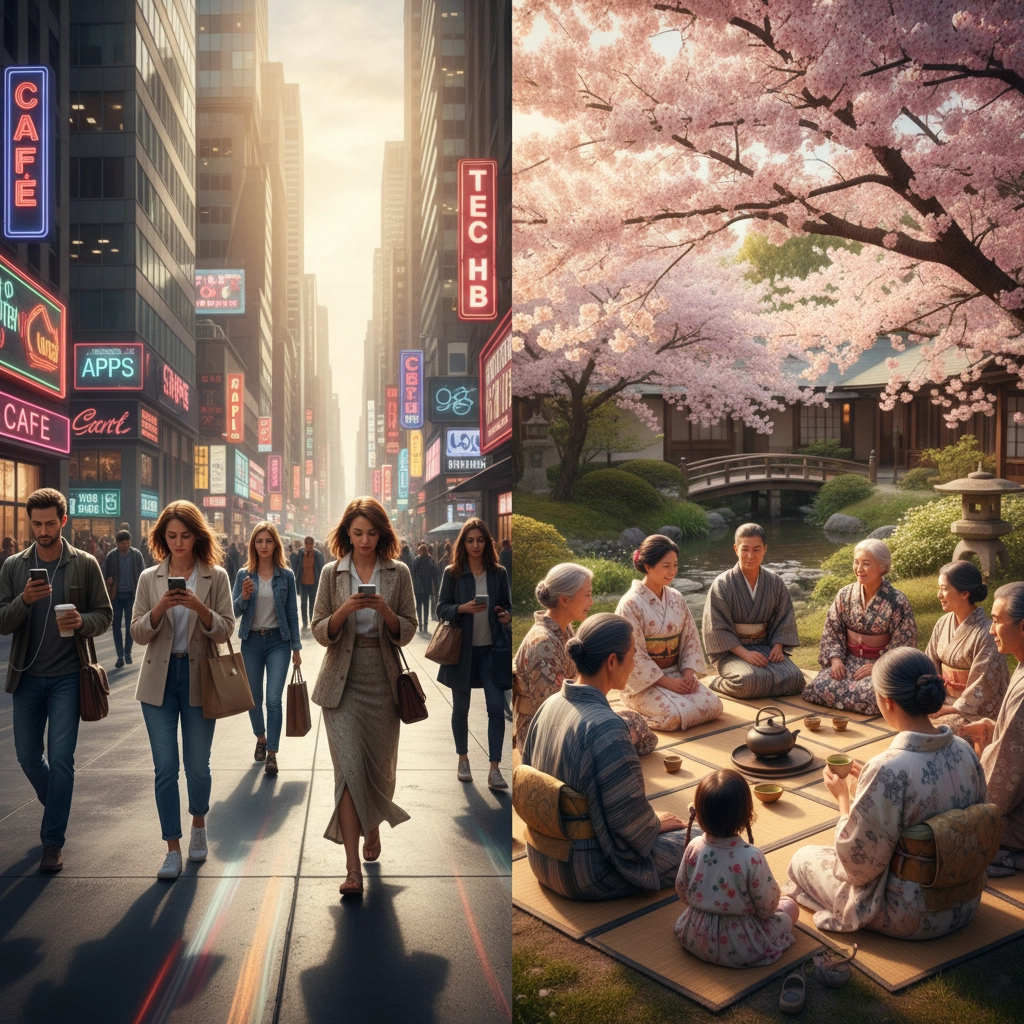
Effective marketing can broaden worldviews by creating inclusive spaces that represent diverse cultures, identities, and experiences. By understanding and addressing different groups’ unique needs and experiences, marketers have the opportunity to build empathetic spaces—crucial spaces in a world facing active ecological crisis.
Can marketers help address the ecological crisis and the issues that face us as a planet? Yes, especially if marketers embrace their role as architects of narrative space—crafting stories that not only foster brand-consumer connections but also bridge gaps between different perspectives and create common ground for shared human experiences.
Ultimately, marketing and our worldviews exist in a profound and reciprocal relationship within shared cultural spaces. Marketing not only reflects the values and beliefs of our culture but also shapes the spaces where our perceptions and identities form and evolve.
As consumers, the next time we encounter marketing messages while scrolling through Facebook or YouTube, perhaps we can pause and examine the spaces we’re entering—asking ourselves what spaces are actually being constructed and what we think we’re choosing to inhabit.
For marketers, the opportunity lies in exploring how our messaging can genuinely create inclusive spaces that celebrate and champion the diverse ways people think, feel, and express their needs and desires—building spaces where authentic connection can flourish.
This post is grounded in the Space as Metaphor framework, which views space as “metaphor for method, moral orientation, and mode of transformation.” The framework helps us understand marketing not as mere messaging, but as the intentional creation of cultural spaces where identity formation and worldview development occur.